ENR 1.6 ATS SURVEILLANCE SERVICES AND PROCEDURES
1. ATS SURVEILLANCE SERVICES
1.1 General
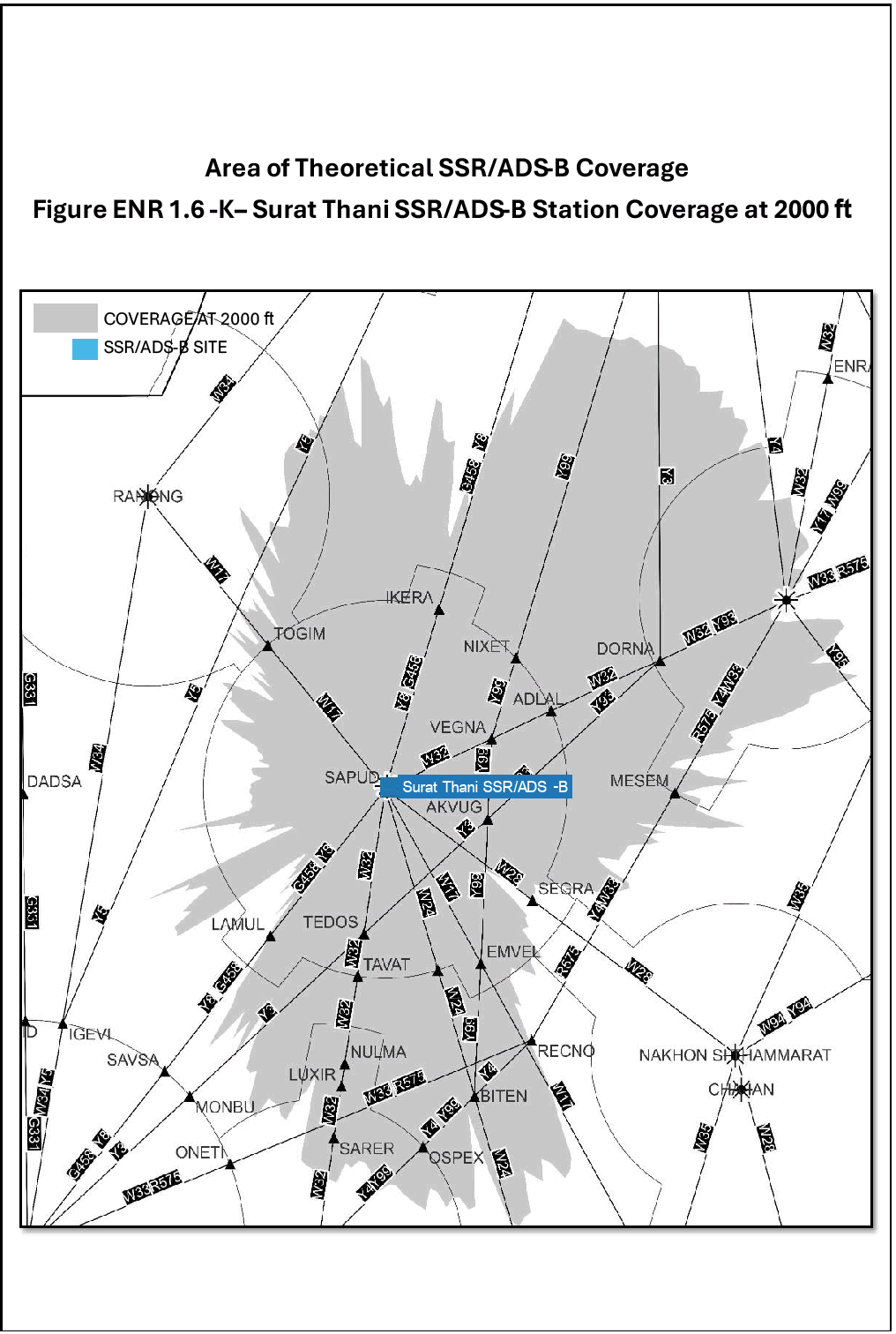
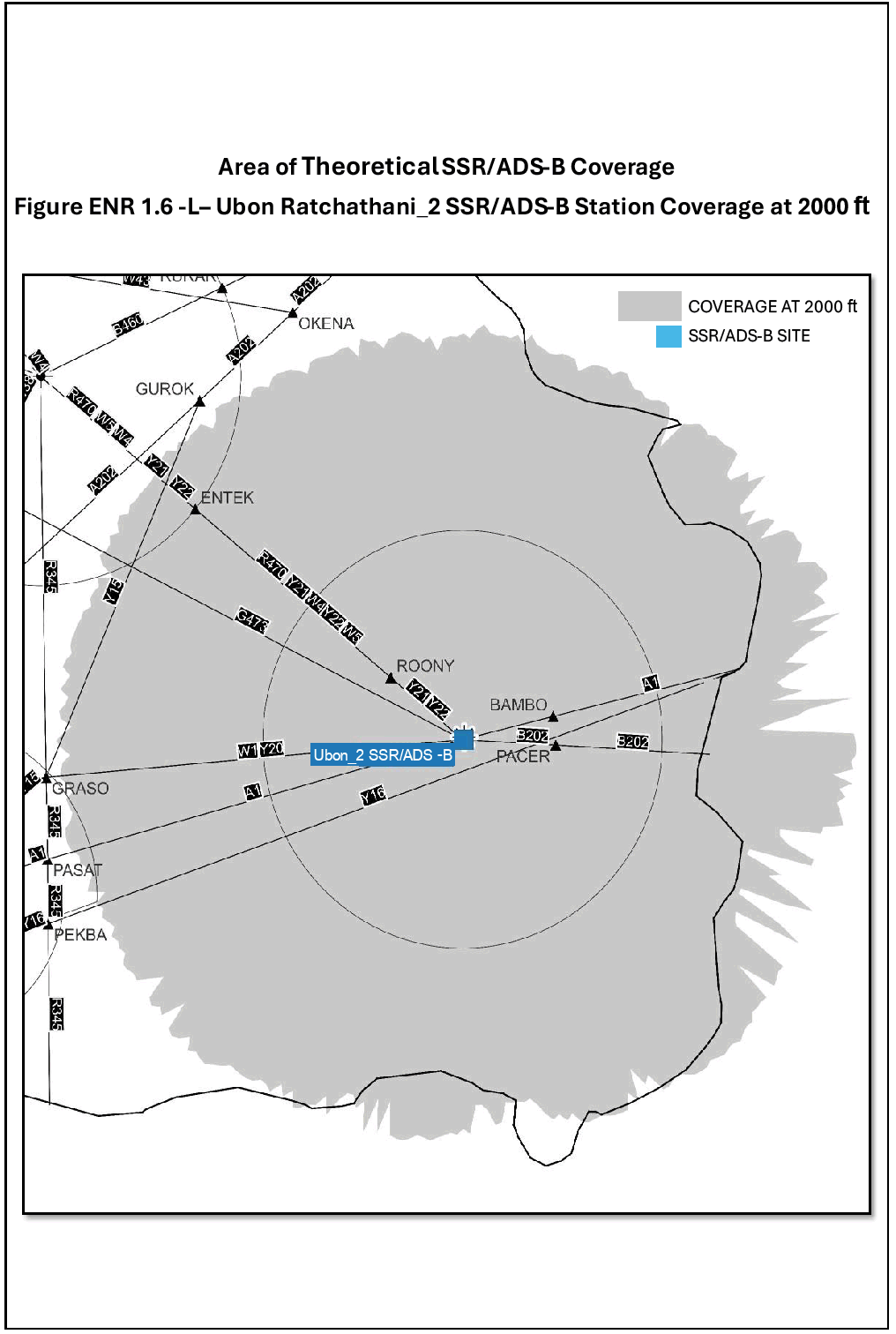
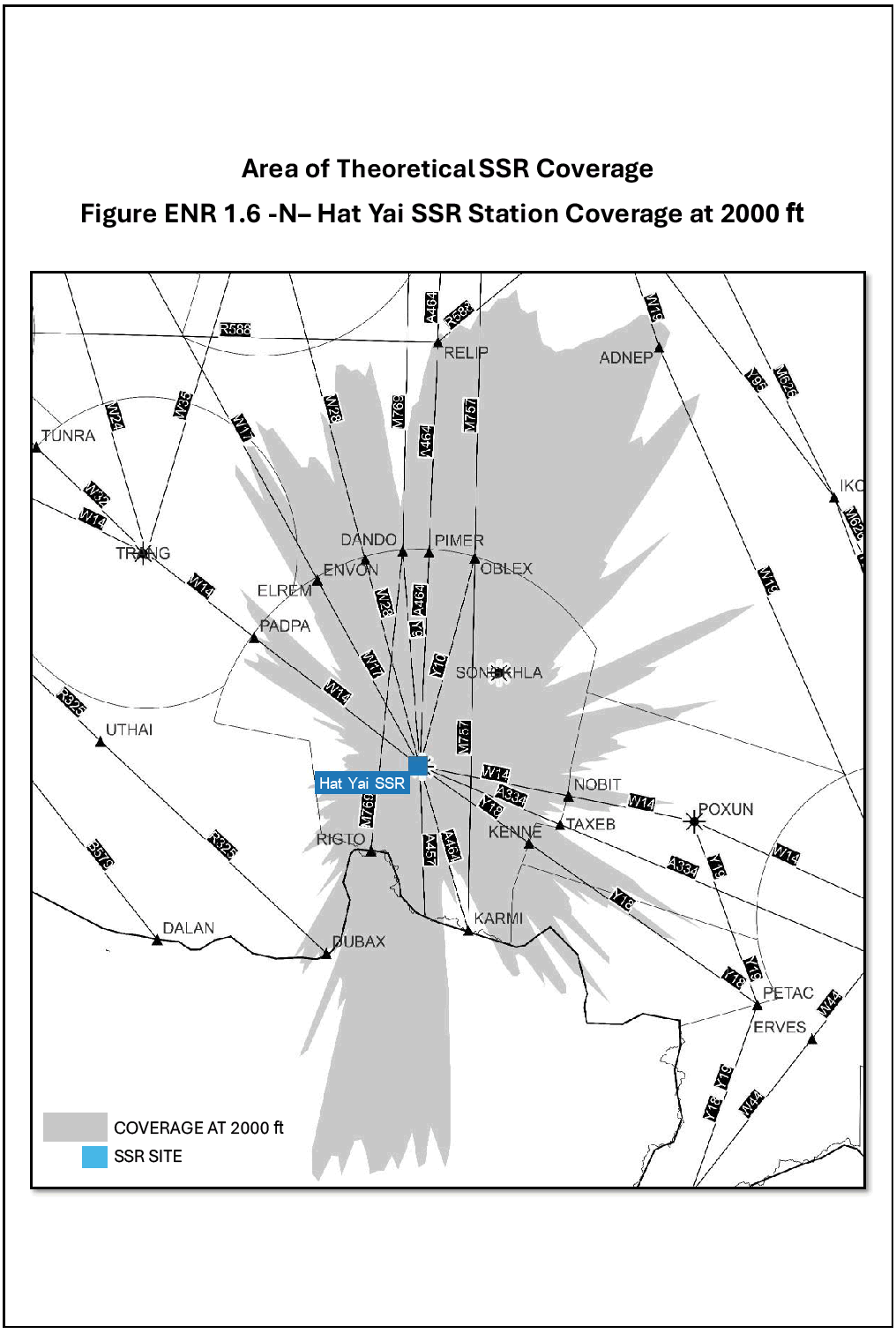
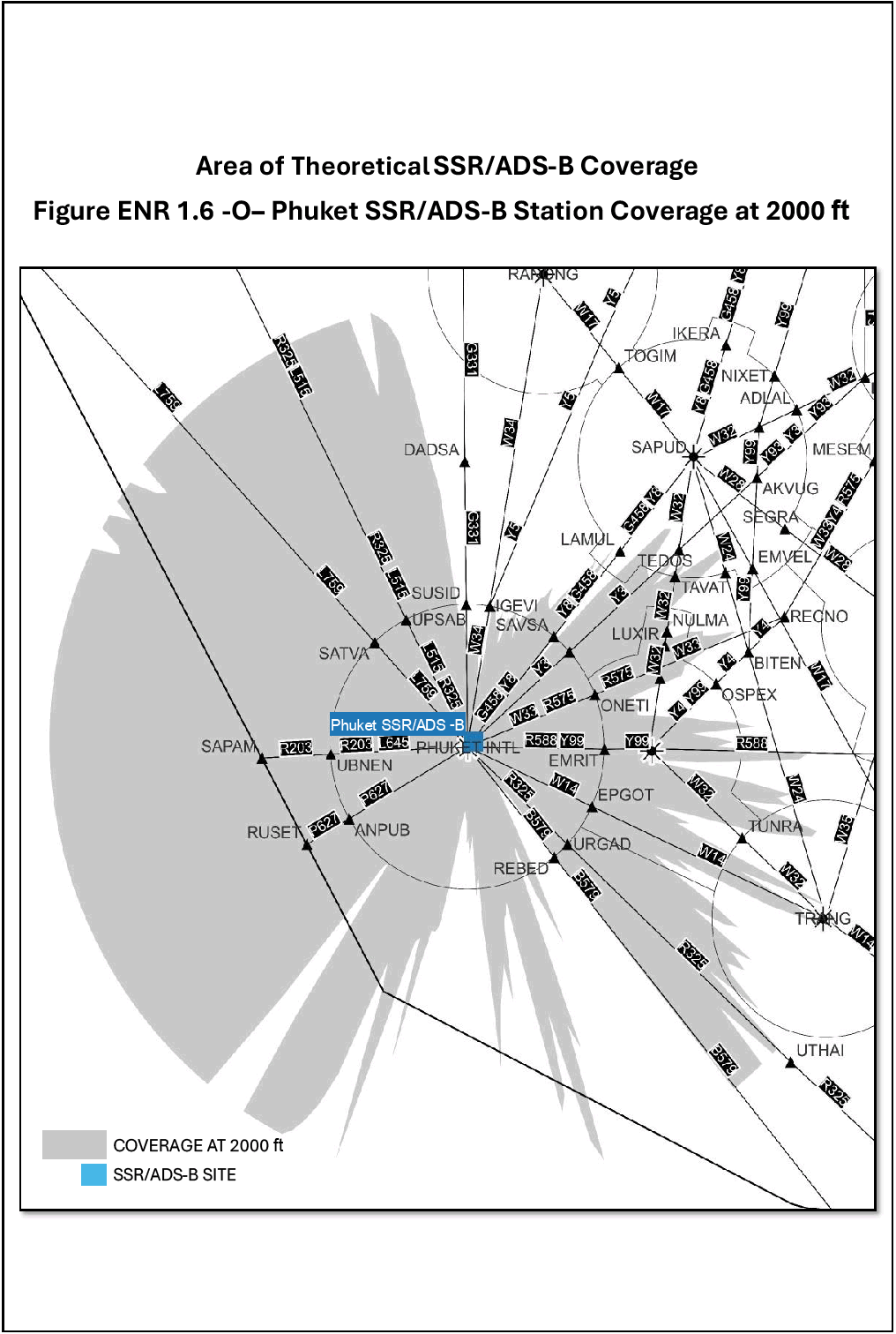
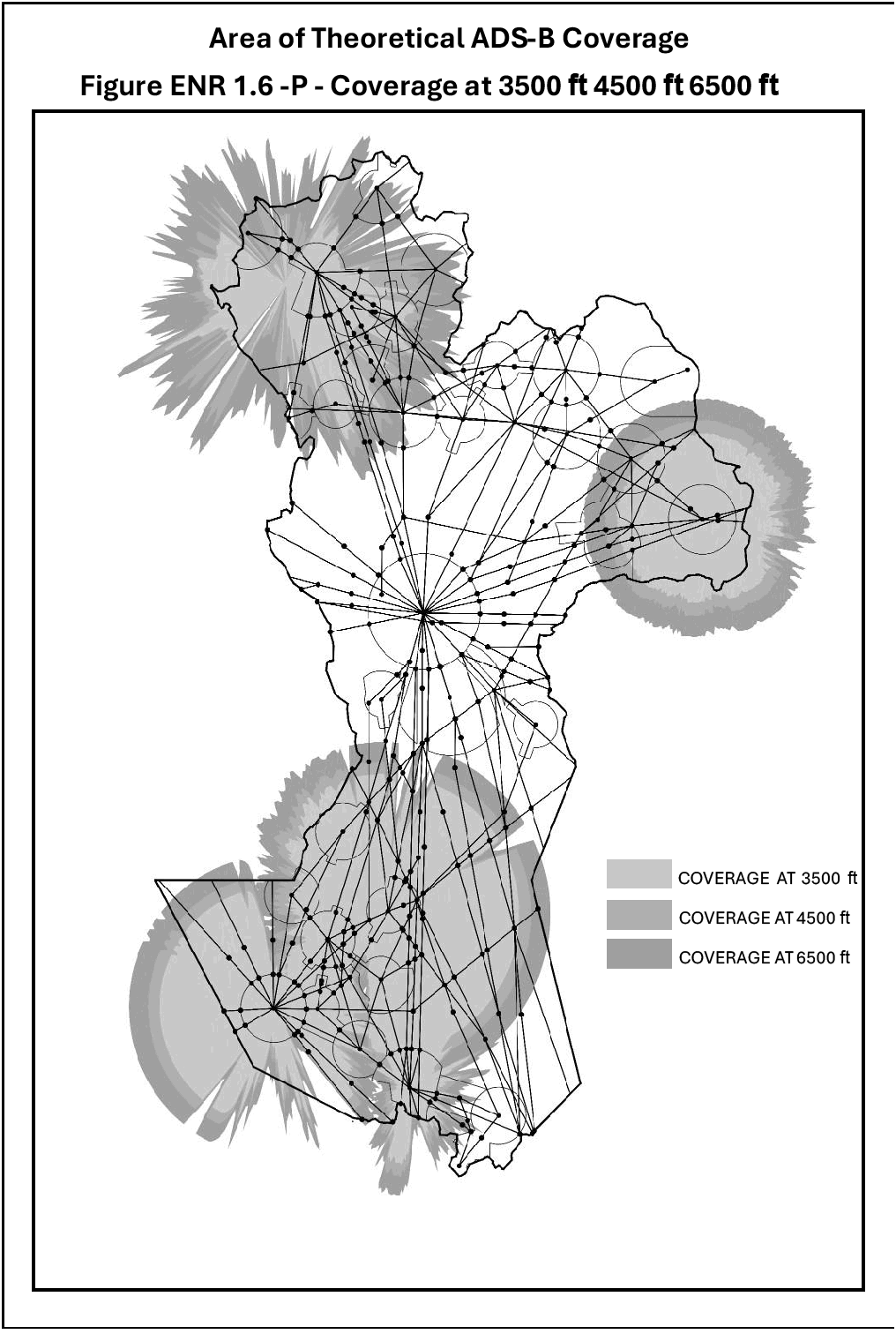
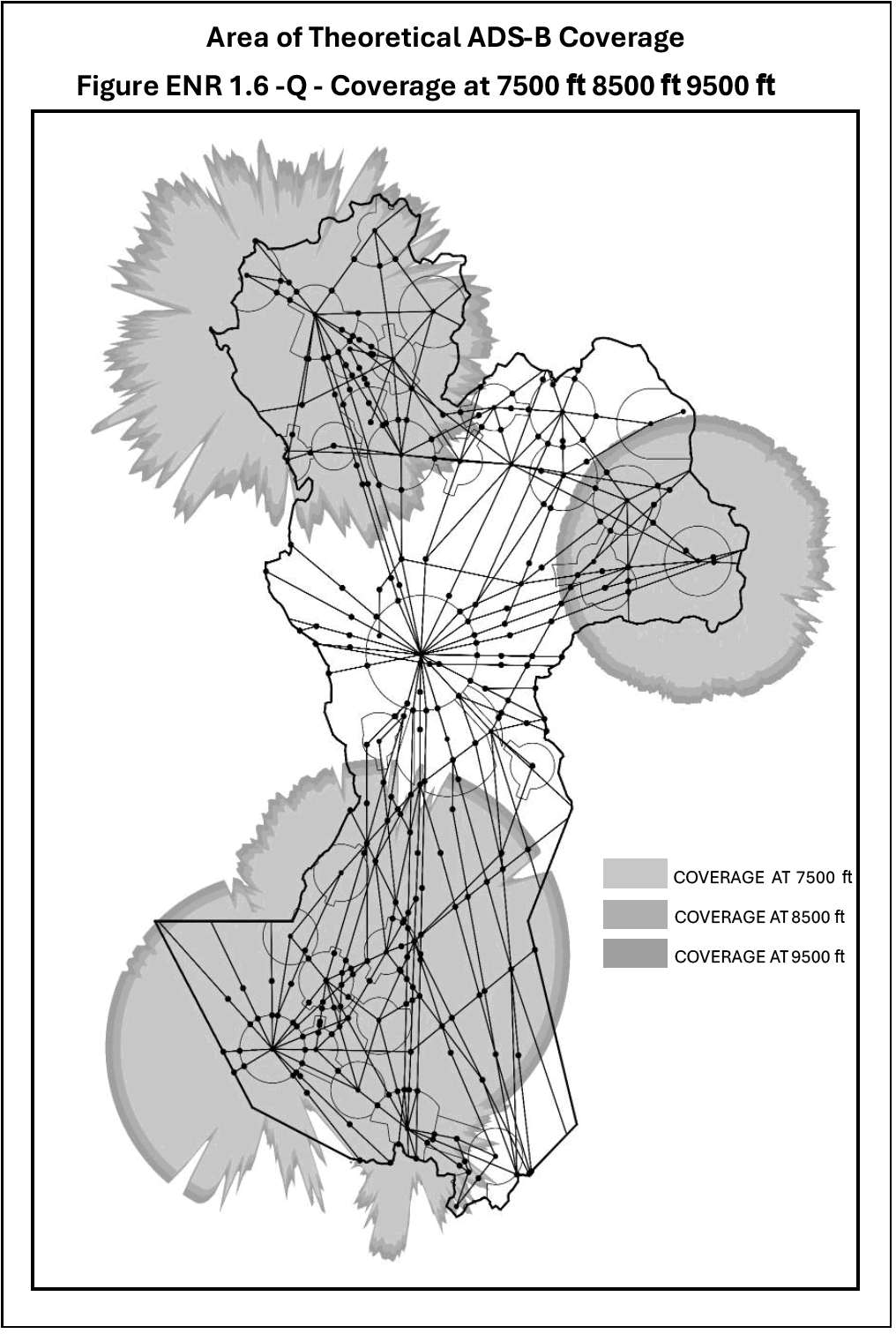
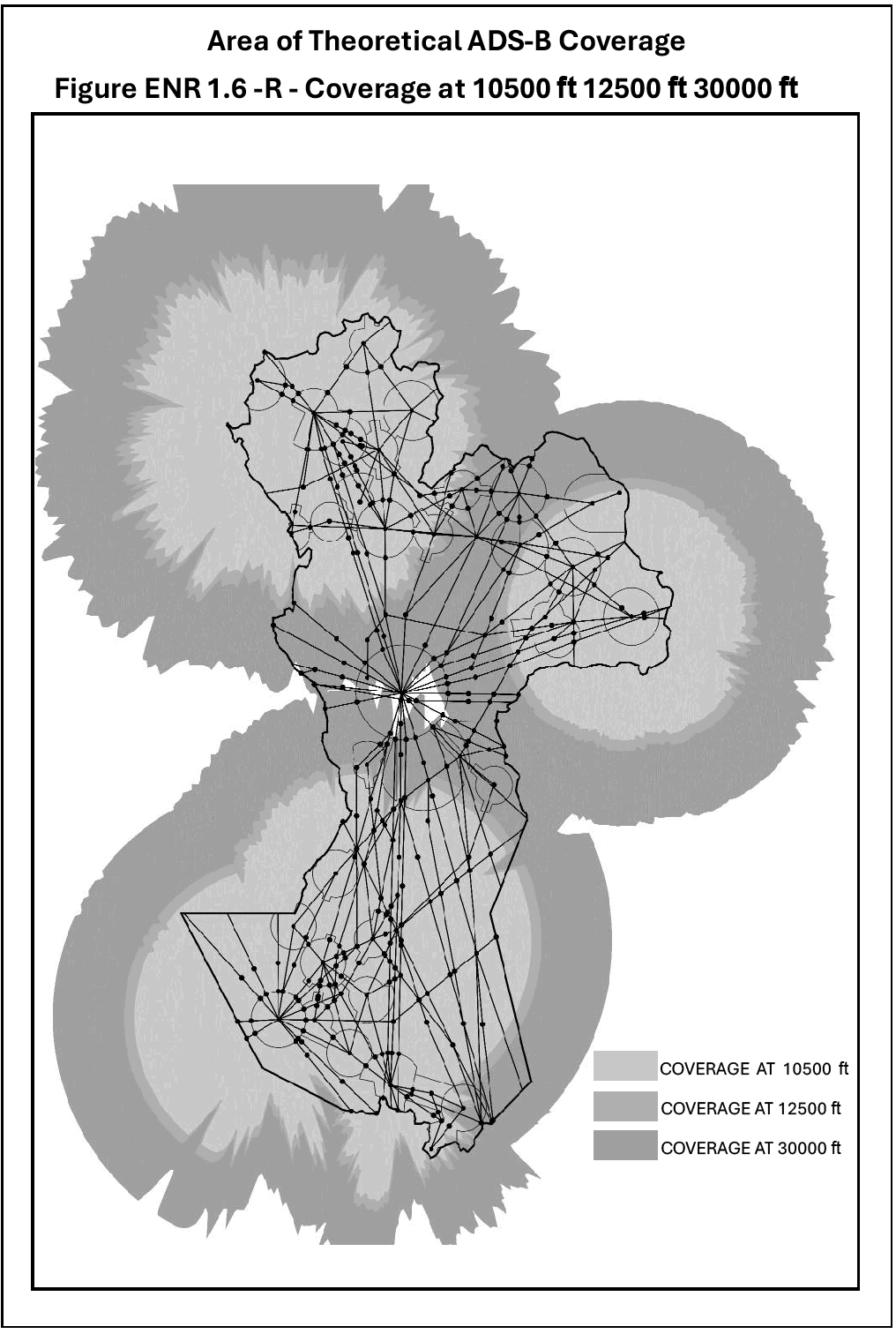
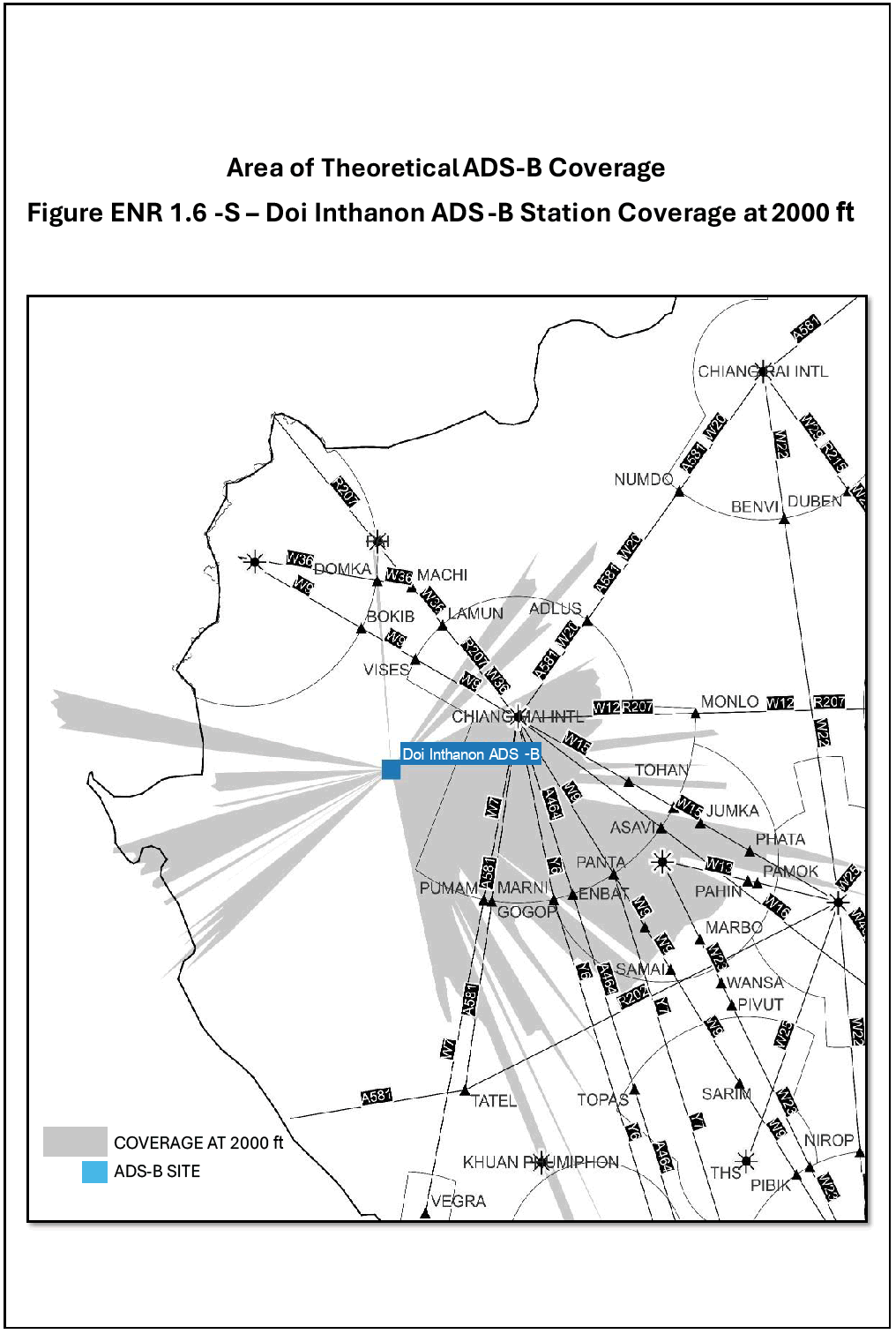
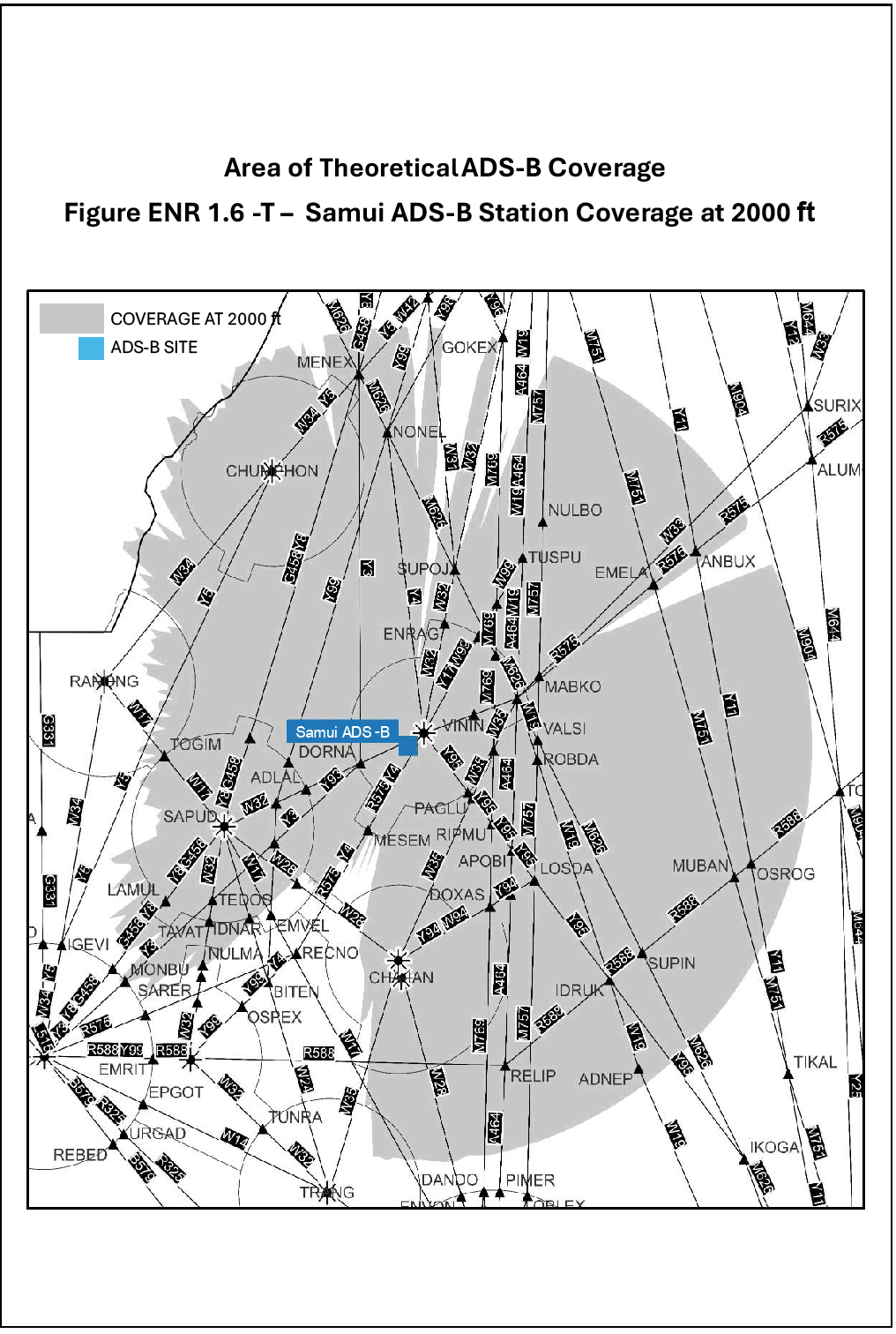
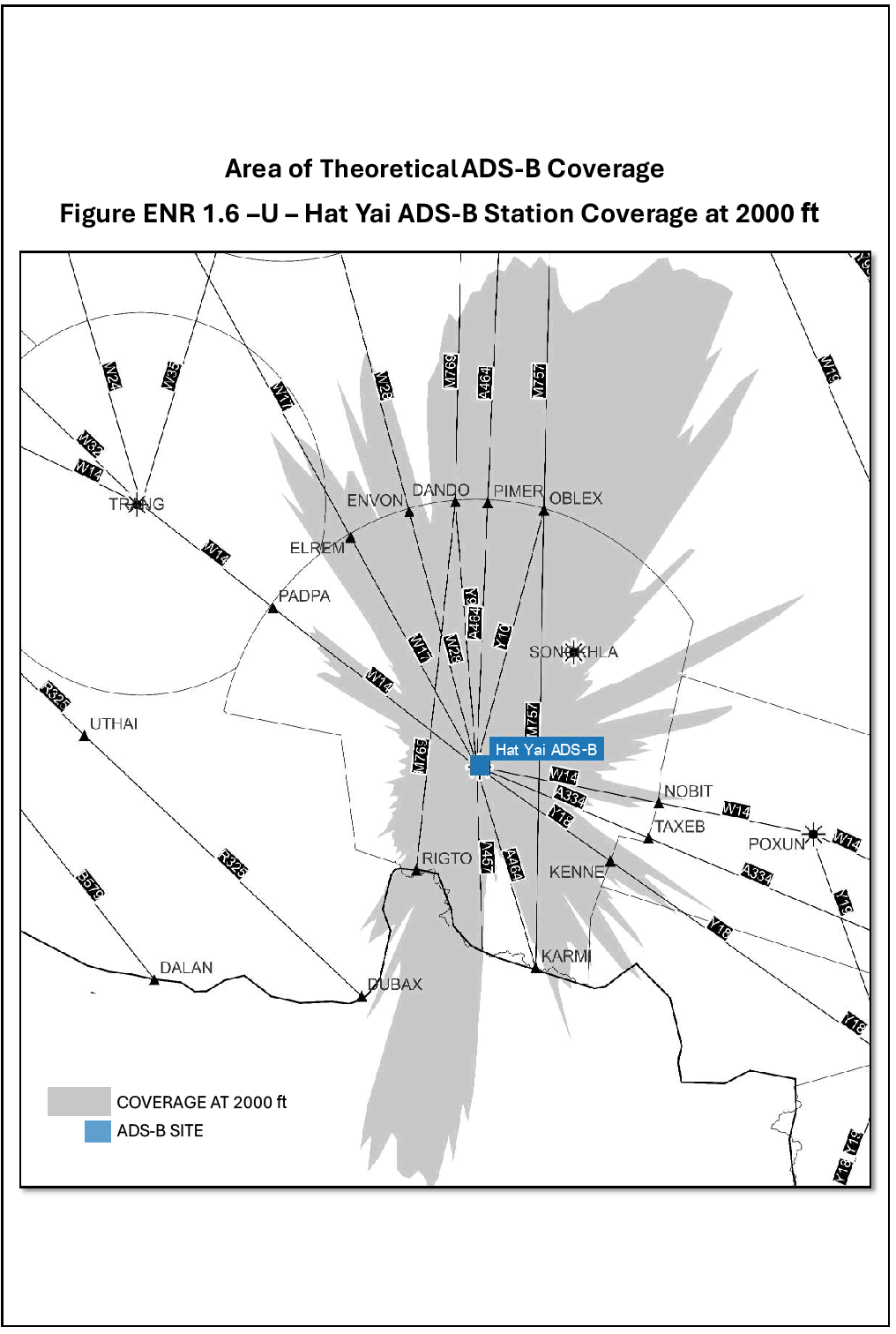
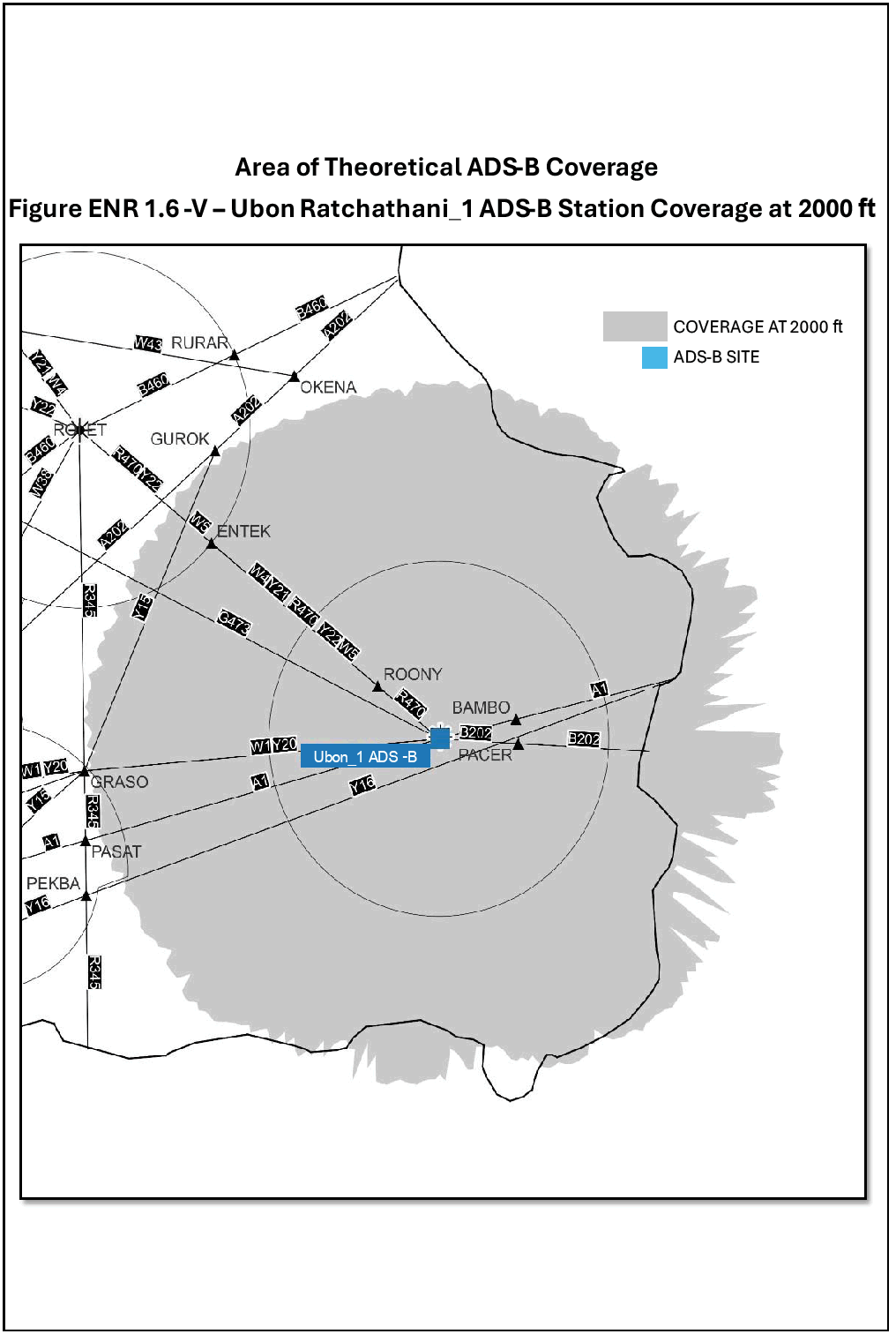
7 ADS-B stations are located at Ubon Ratchathani_1, Ubon Ratchathani_2, Samui, Doi Inthanon, Hat Yai, Phuket, and Surat Thani. These stations mostly cover the current radar coverage. However, Doi Inthanon station, due to its better location, has a coverage beyond the current Chiang Mai radar site.
| Stations | Service | Callsign |
|---|---|---|
Bangkok Area Control Centre Bangkok Approach Control Unit Chiang Mai Approach Control Unit Hat Yai Approach Control Unit Hua Hin Approach Control Unit Krabi Approach Control Unit Nakhon Si Thammarat Approach Control Unit Phitsanulok Approach Control Unit Phuket Approach Control Unit Sukhothai Approach Control Unit Surat Thani Approach Control Unit Samui Approach Control Unit Ubon Ratchathani Approach Control Unit | Procedural and ATS Surveillance Procedural and ATS Surveillance Procedural and ATS Surveillance Procedural and ATS Surveillance Procedural and ATS Surveillance Procedural and ATS Surveillance Procedural and ATS Surveillance Procedural and ATS Surveillance Procedural and ATS Surveillance Procedural and ATS Surveillance Procedural and ATS Surveillance Procedural and ATS Surveillance Procedural and ATS Surveillance | Bangkok Control Bangkok Approach Chiang Mai Approach Hat Yai Approach Hua Hin Approach Krabi Approach Nakhon Si Thammarat Approach Phitsanulok Approach Phuket Approach Sukhothai Approach Surat Thani Approach Samui Approach Ubon Approach |
1.2 Application of ATS Surveillance Control Service
In controlled airspace, traffic information will be given when an identified controlled flight is observed to be on a conflicting path with an aircraft which ATC have no specific information deemed to constitute a collision hazard, a course of avoiding action will be suggested, if so requested by the pilot or if in the opinion of ATC the situation warrants.
When an identified IFR operating outside controlled airspace is observed to be on a conflicting path with another aircraft, the identified aircraft will be advised of the need for collision avoidance. If so requested by the pilot or if in the opinion of ATC the situation warrants, a course of avoiding action will be suggested.
In both cases mentioned in 1.2.3 a) and b) the decision as to whether or not to comply with the ATC suggestion rests solely with the pilot.
Whenever suggestion to assist the pilot for avoiding action is given, the consideration will be given if practicable to the rules of the air, but pilot are nevertheless reminded that they are ultimately responsible for the prevention of collision.
5 NM en-routes along airways, and
5 NM in Bangkok, Chiang Mai, Hat Yai, Hua Hin, Krabi, Nakhon Si Thammarat, Phitsanulok, Phuket Sukhothai, Surat Thani, Samui and Ubon Ratchathani TMAs/CTRs.
Inbound aircraft
Inbound on airway
Aircraft flying on the airways system will be cleared into the TMA/CTR without having to request a specific entry clearance.
Inbound other than on airways
Aircraft wishing to enter the TMAs/CTRs are required to obtain permission at least 10 minutes before reaching the zone boundary, when they will be advised of the route to be followed consistent with the current traffic situation.
Initial approach procedures with ATS Surveillance control
When inbound traffic is being sequenced by ATS Surveillance, the initial and intermediate approach procedures will be flown under directions from the approach ATC and will consist of the part of the approach between the zone boundary or the terminal holding fix and the final approach path. When holding procedures are not in use, ATS Surveillance sequencing may commence before the terminal holding fix.
Pilots should plan their flight profile in such a manner as to be able to achieve the minimum holding level at the holding point if so required.
When an aircraft is under approach ATS Surveillance control, changes of heading or flight level/altitude will be made only on instructions from ATC, except in the case of radio communication failure in the aircraft or at the ATS Surveillance unit.
Heading and flight levels/altitudes at which to leave the zone boundary or holding areas will be passed by ATC. Vectoring will be given and descent clearance will include an estimate of track distance to touchdown. Further distance information will be given between the initial descent clearance and intercept heading to the ILS.
Speed control may be applied on a tactical basis to the extent determined necessary by ATC. Aircraft unable to conform to the speeds specified by ATC should inform ATC immediately and state what speeds will be used. In the interests of accurate spacing, pilots are requested to comply with speed adjustment as promptly as is feasible within their own operational constraints and should advise ATC if circumstances necessitate a change of speed for aircraft performance reasons.
In the event of ATS Surveillance failure, new instructions will be issued to each aircraft under ATC and the procedures as defined for intermediate approach without ATS Surveillance control will be put into effect.
Initial approach procedures – without ATS Surveillance control
When inbound traffic is not being sequenced by ATS Surveillance, aircraft will be cleared from the TMA zone boundary to carry out an instrument approach procedure appropriate for the landing direction.
Outbound Aircraft
Routes from the airport
Routes may be varied at ATC discretion according to the prevailing traffic conditions.
Warning: Pilots are reminded to maintain adequate terrain clearance, except when being vectored under ATS Surveillance control, in which case ATC will ensure that adequate terrain clearance exists prior to issuing vectoring.
For ATC purposes, outbound aircraft will normally be required to cross a certain point at or above the altitude assigned. Pilots who cannot comply with the necessary climb profile must inform ATC in good time (i.e. before departure) so that an alternative routing can be coordinated.
Visual reporting points
To facilitate the integration of VFR flights within the controlled airspace, pilots may be required to join/leave the airspace via the specified visual reporting points.
For the benefit of pilots of VFR flight who prefer to determine their position by radio navigation aids rather than by visual pin-points, the visual reporting points are suitably defined in AIP-Thailand.
As directed by ATC.
In the absence of instructions from ATC, the procedures are as in the published charts in AIP-Thailand.
Special VFR clearances for flights within the controlled airspace may be given whenever traffic conditions permit. These flights are subject to the general conditions laid down for special VFR flights.
Aircraft may be given a ATS Surveillance service whist within the zone if, due to the traffic situation, ATC considers it advisable. It will remain the responsibility of the pilot to remain at all times in flight conditions which will enable pilot to determine his flight path and to keep clear of obstacles, and to ensure that he is able to comply with the relevant low flying restrictions of the rules of the air. For the pilots of fixed-wing aircraft, the pilot must inform ATC if compliance with the above entails a change of heading or height.
Clearance for special VFR flight below minimum sector altitude cannot be given, unless at some specific radial or bearing which provides sufficient terrain clearance.
Chiang Mai Terminal Control Area
Name : KARAE
Position : 18 DME radial 210 CMA DVOR/DME (183009.07N 0984829.42E)
Lower Limit : 8 000 feet QNH
Upper Limit : 11 000 feet QNH
Holding Axis : 030/210 (Inbound Track 030, Outbound Track 210)
Pattern : 1 minute, left hand race-track pattern
Phitsanulok Terminal Control Area
Name : UNITE
Position : 20 DME radial 050 PSL DVOR/DME (165907.21N 1003327.88E)
Lower Limit : 6 000 feet QNH
Upper Limit : 11 000 feet QNH
Holding Axis : 050/230 (Inbound Track 230, Outbound Track 050)
Pattern : 1 minute, right hand race-track pattern.
Hat Yai Terminal Control Area
Name : KOYAW (KYN)
Position : 20 DME radial 040 HTY DVOR/DME (0711.0N 10036.7E)
Lower Limit : 3 000 feet QNH
Upper Limit : 7 000 feet QNH
Holding Axis : 040/220 (Inbound Track 220, Outbound Track 040)
Pattern : 1 minute, right hand race-track pattern.
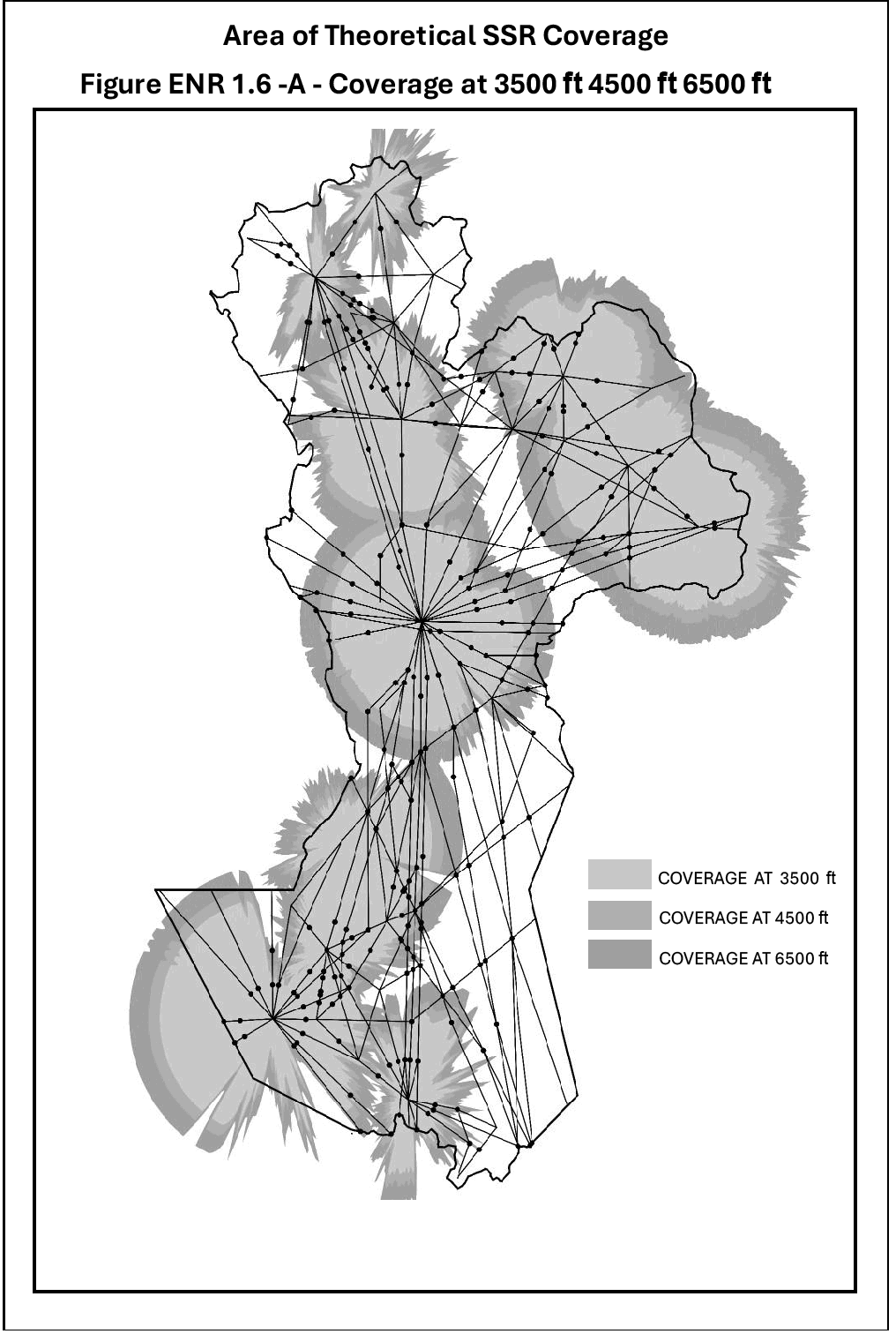
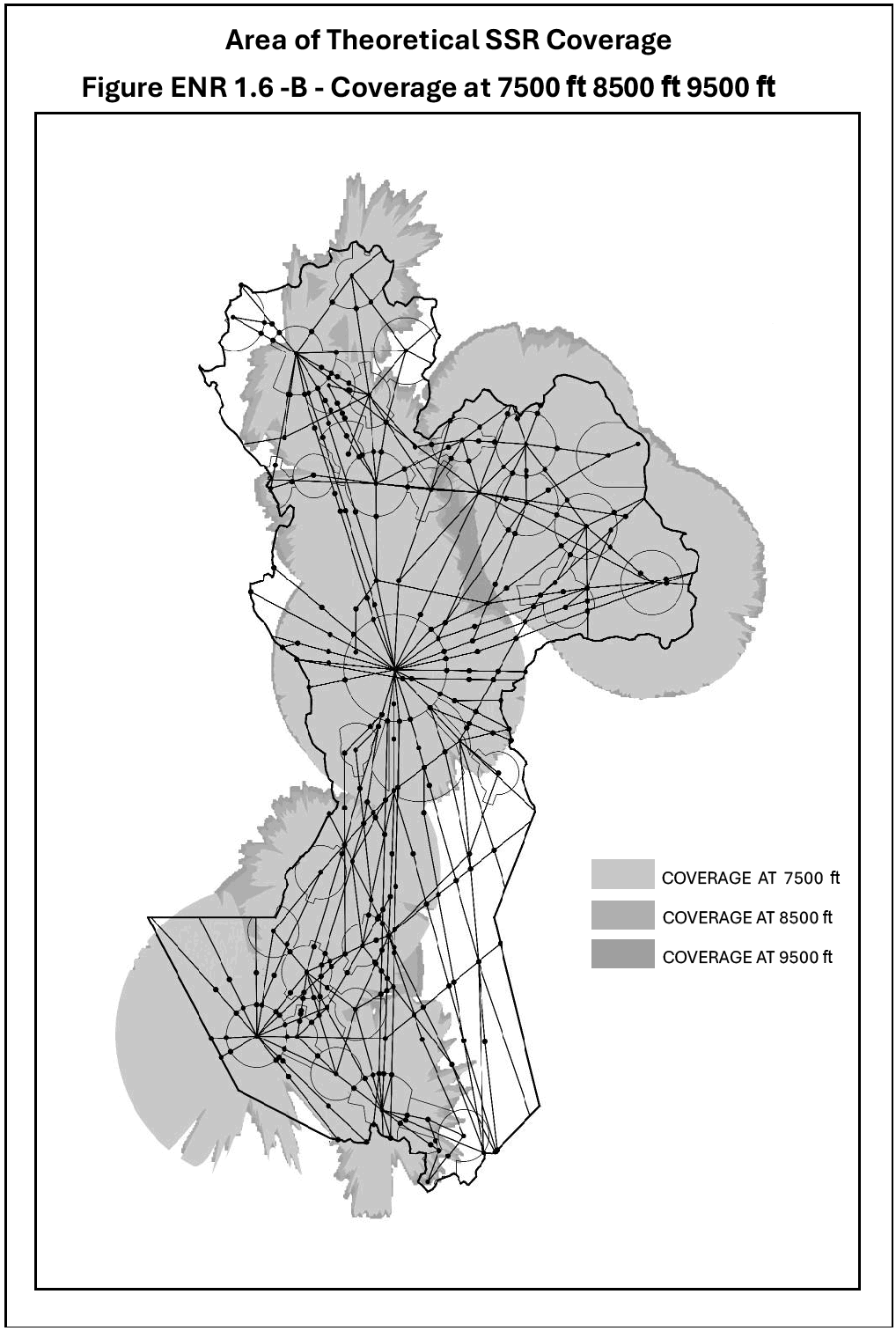
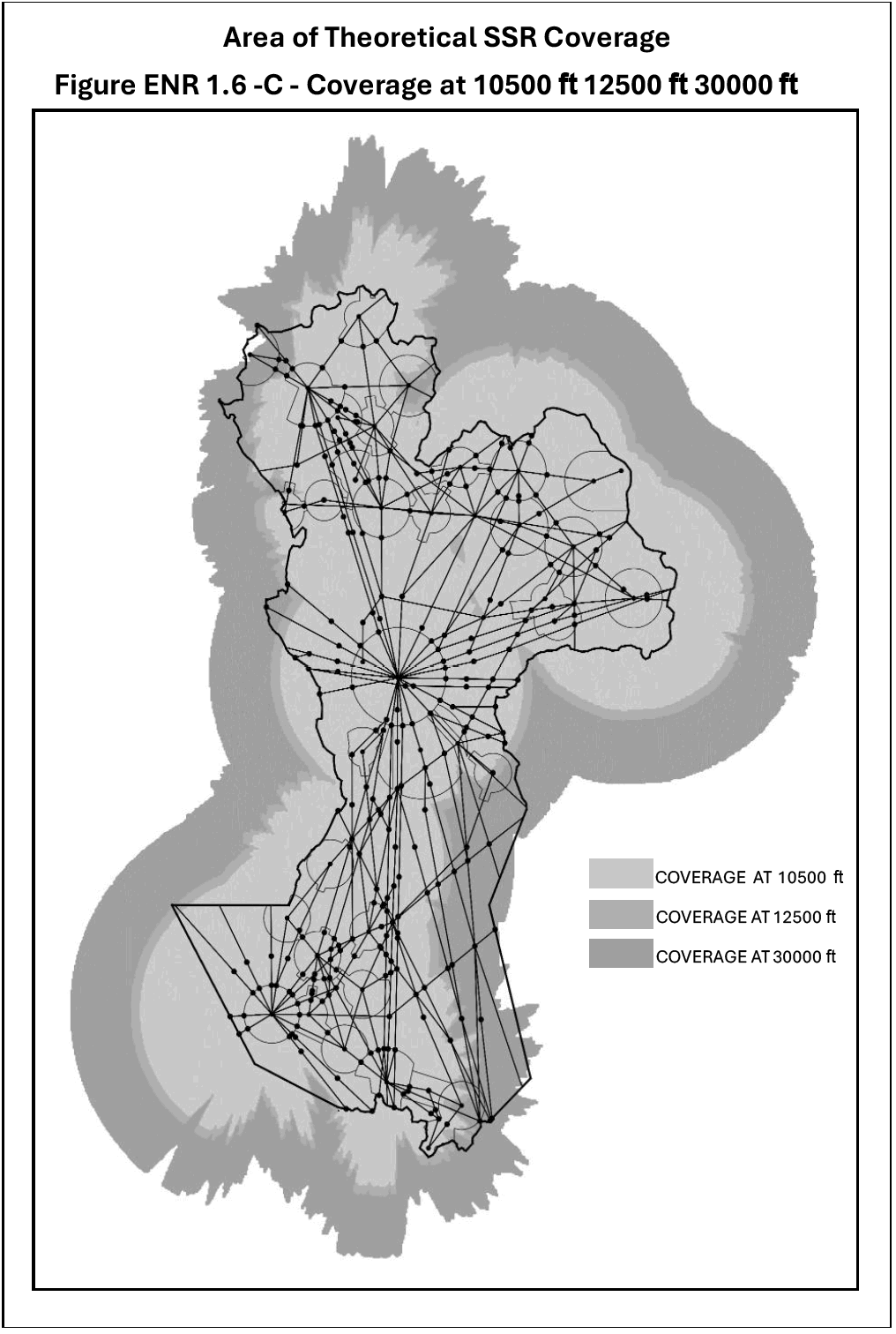
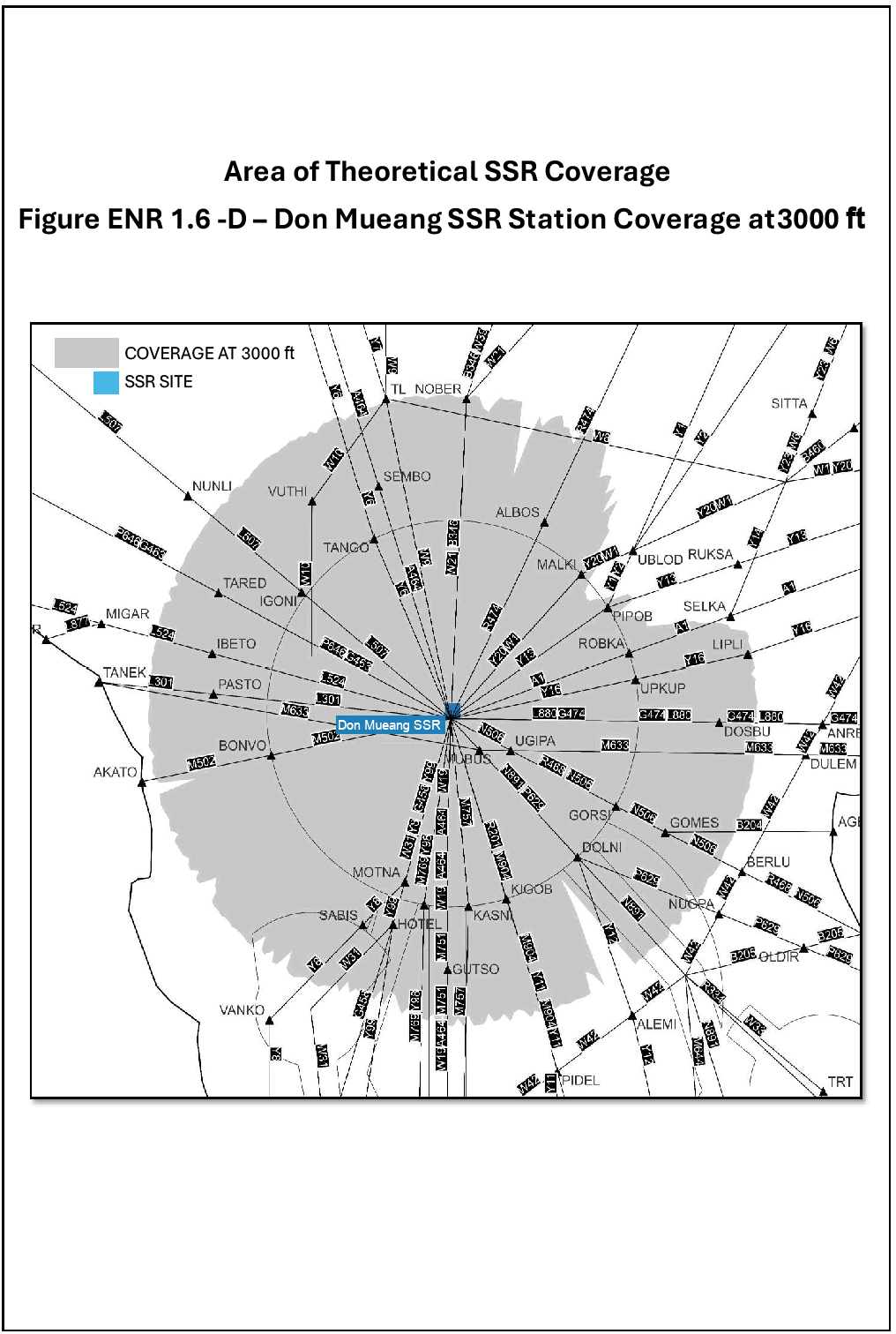
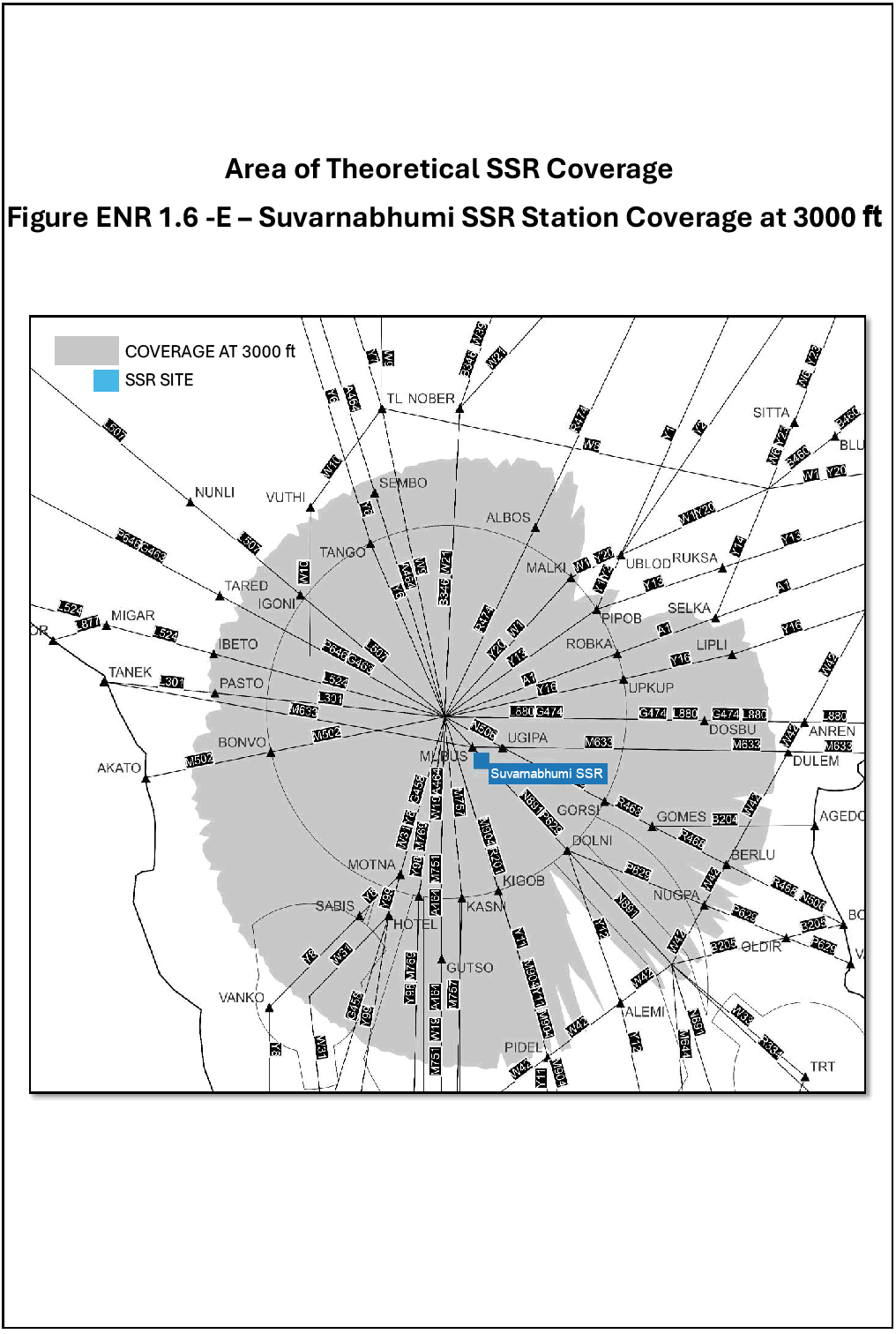
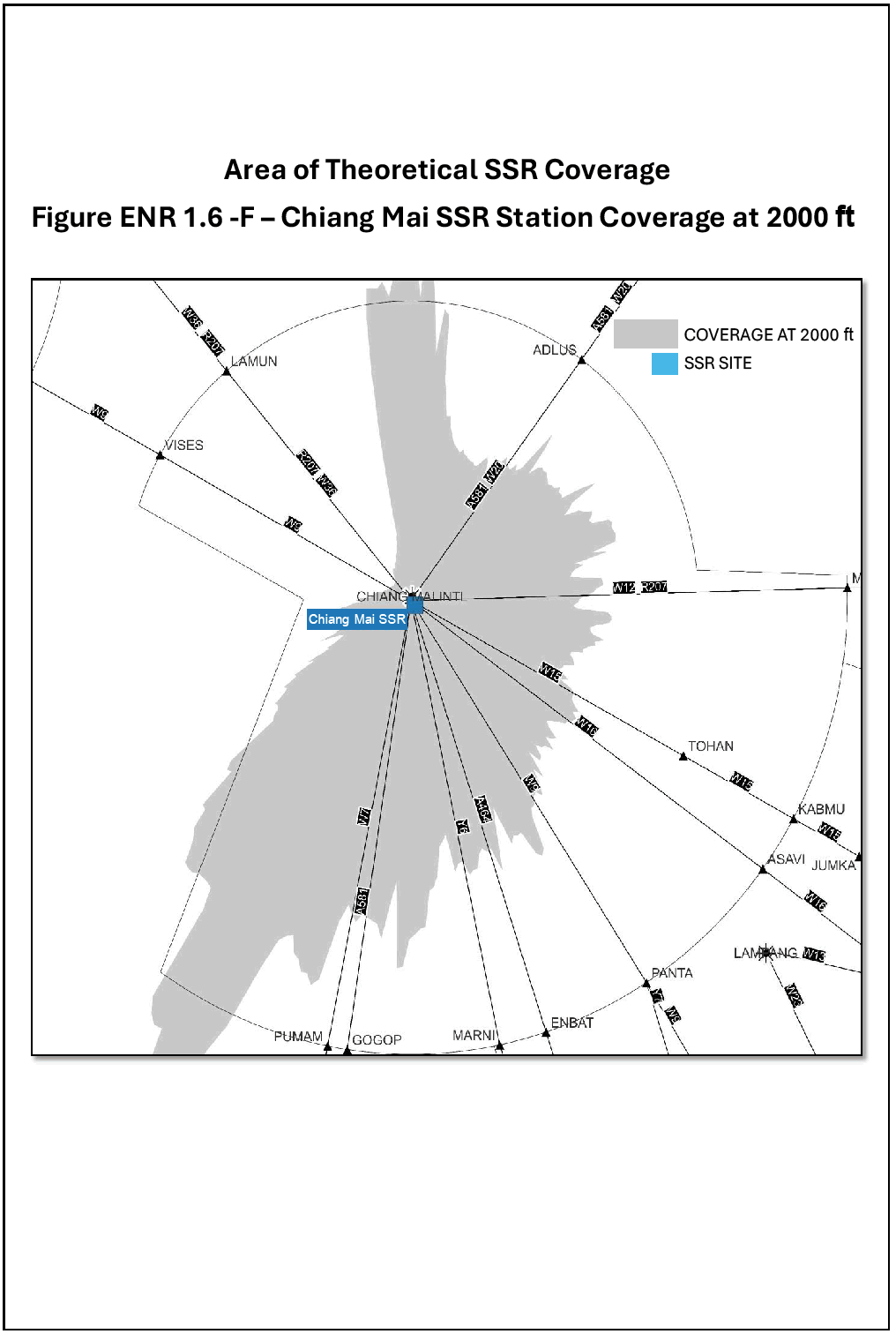
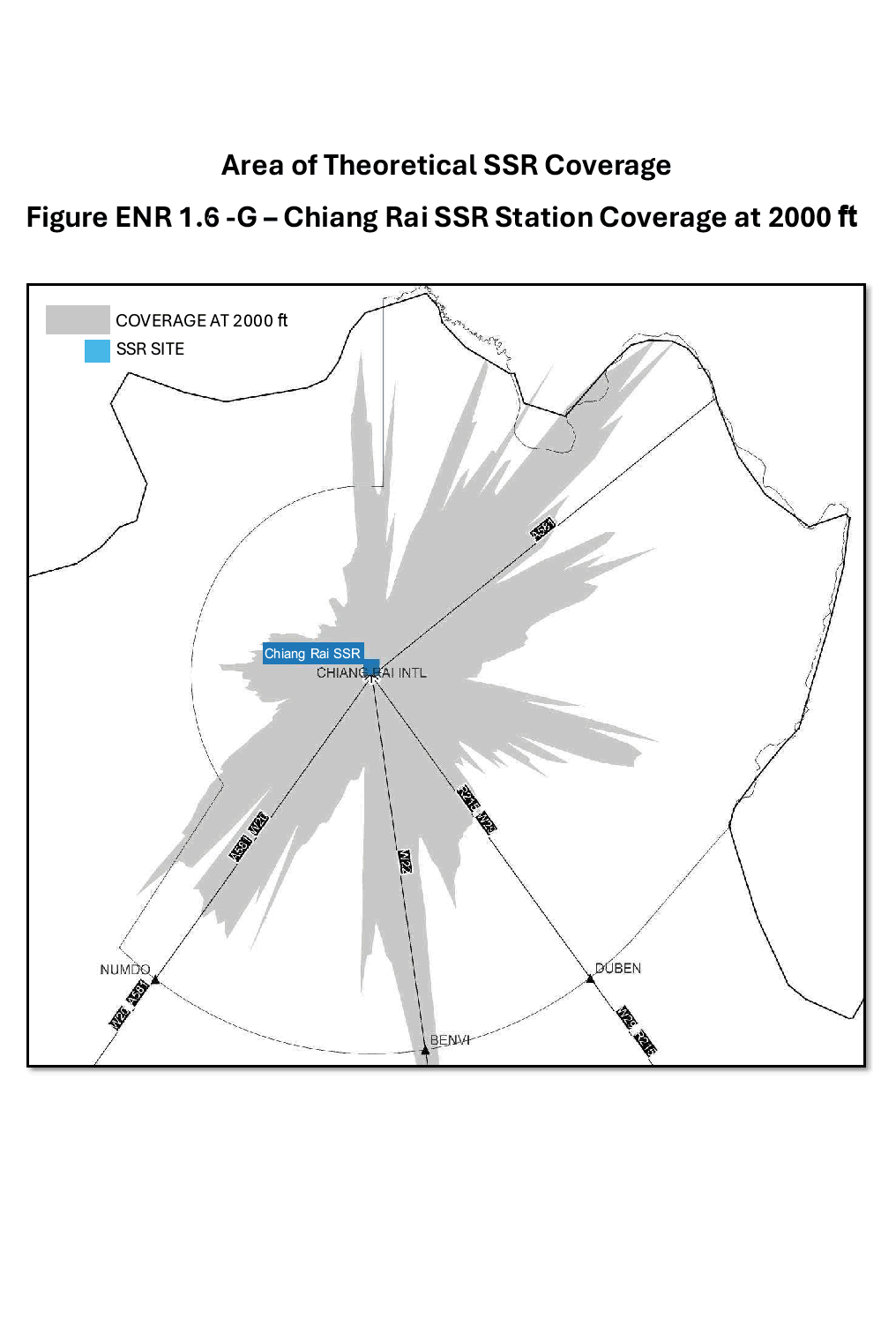
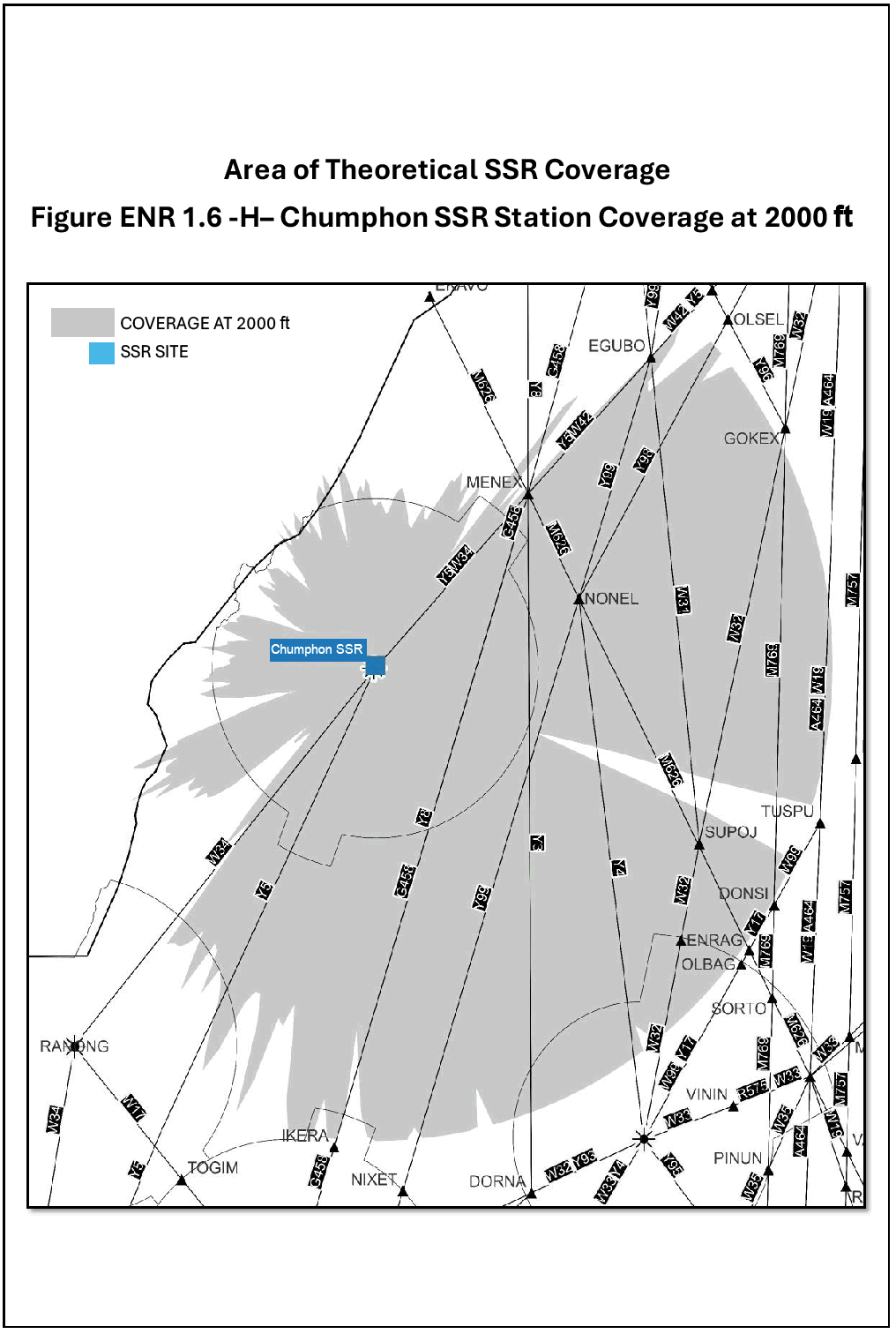
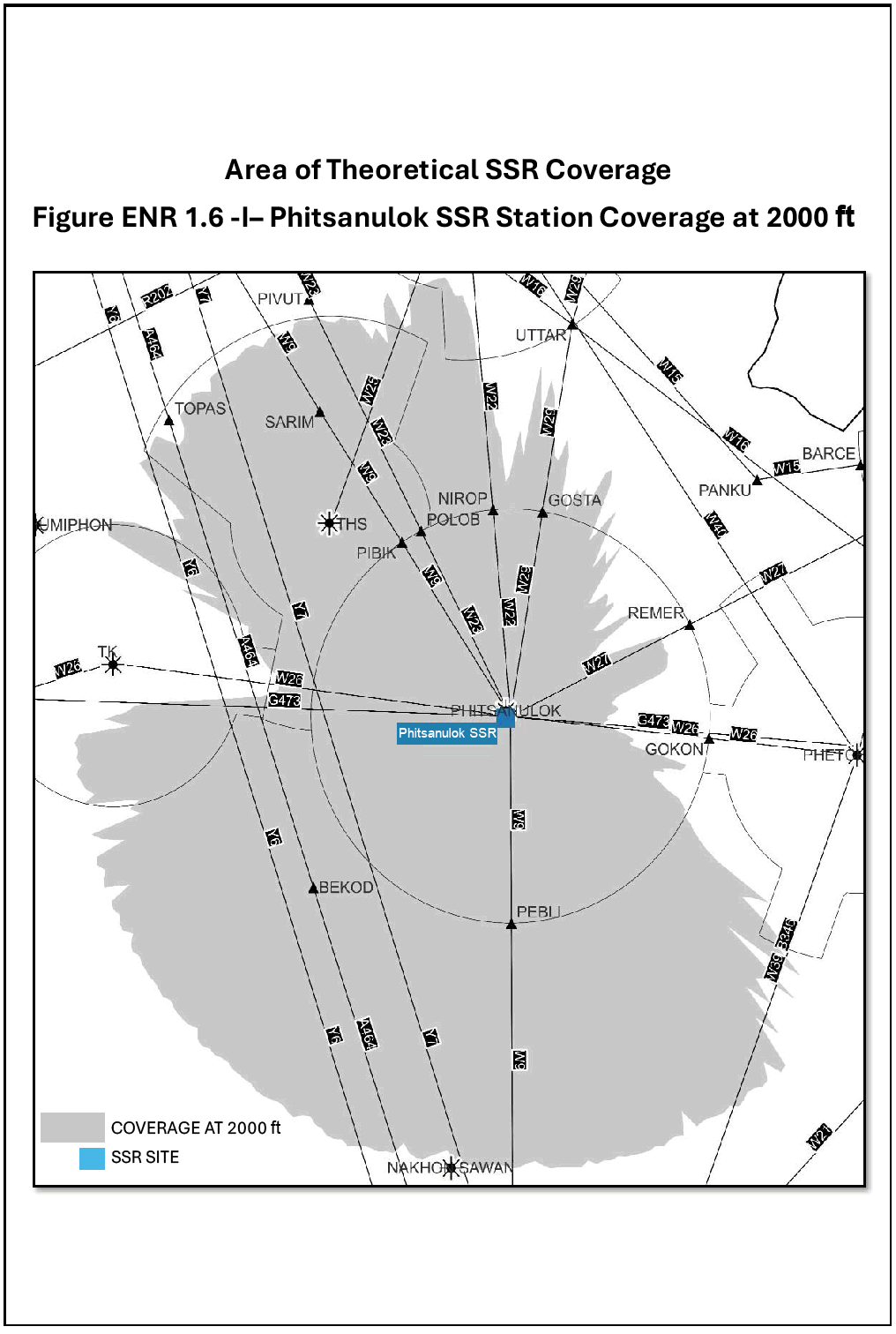
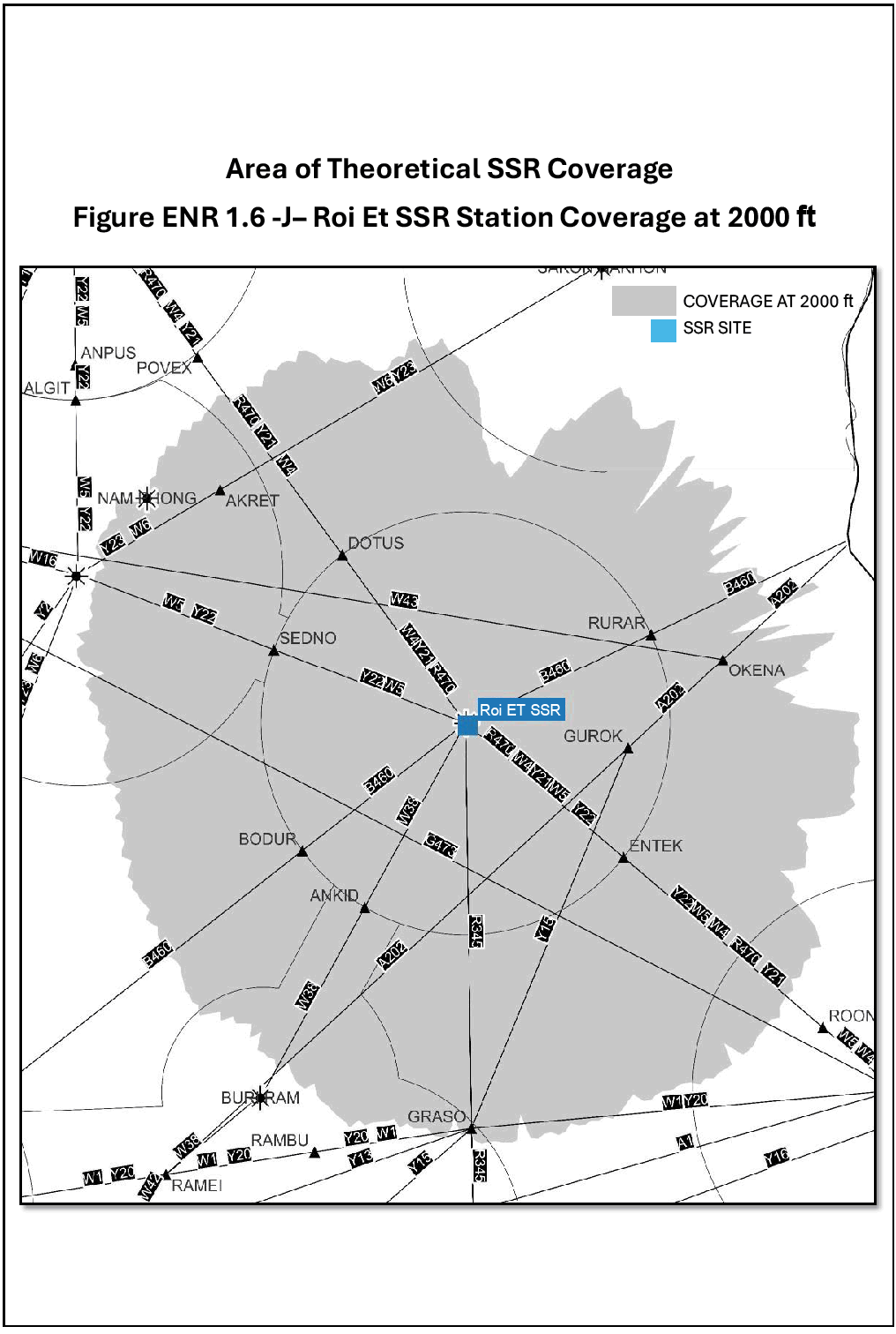
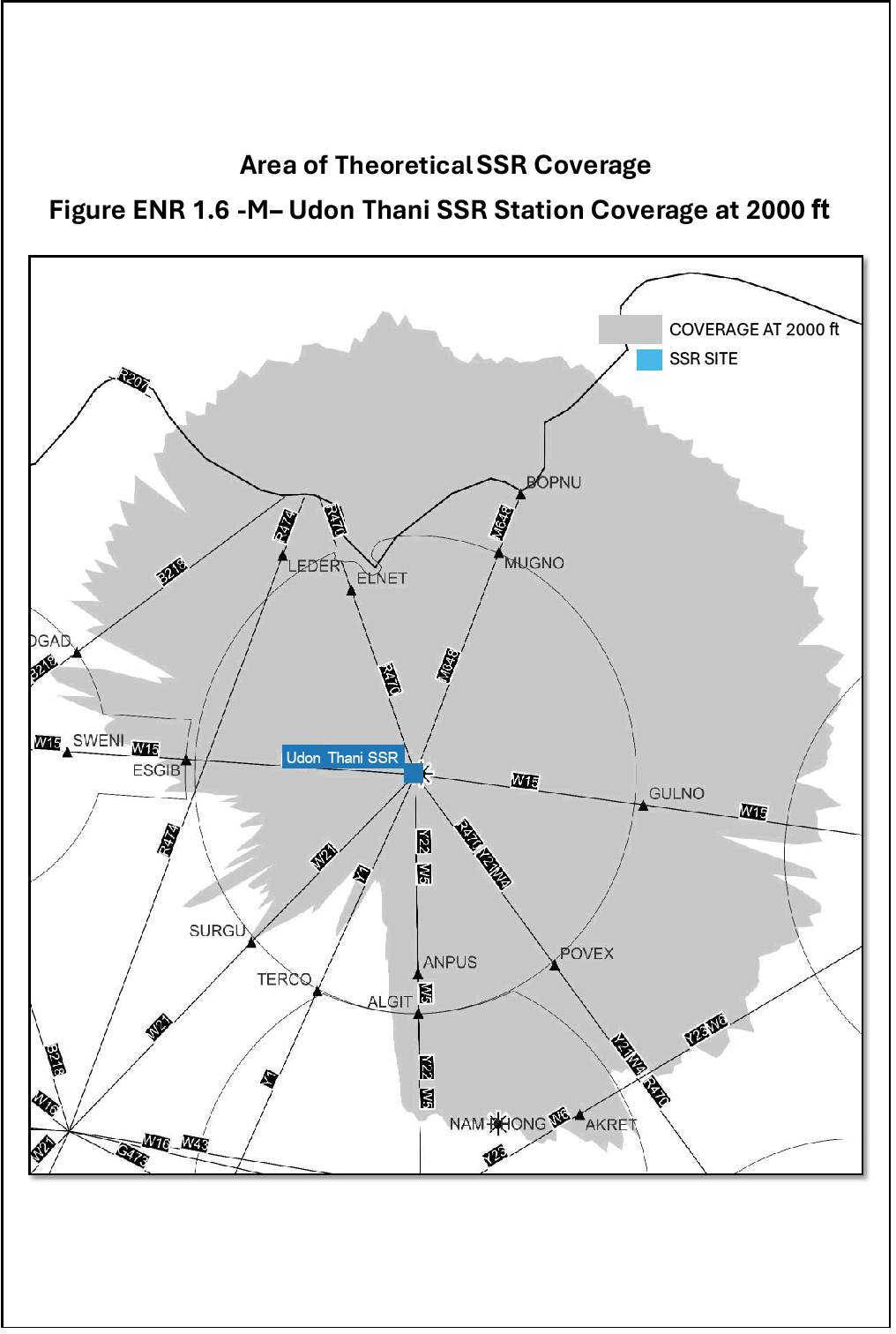
1.3 In order to maximize use of ATS Surveillance Systems located at Don Mueang, Suvarnabhumi, Chiang Mai, Chiang Rai, Chumphon, Hat Yai, Hua Hin, Phuket, Phitsanulok, Roi Et, Surat Thani, Ubon Ratchathani and Udon Thani airport, where available, surveillance is used to maximum extent practicable in the provision of approach control services. Accordingly, when within surveillance cover, identified controlled flights may expect to be under radar control.
ATC units providing approach radar control service within Bangkok, Chiang Mai, Hat Yai, Hua Hin, Krabi, Nakhon Si Thammarat, Phitsanulok, Phuket, Sukhothai, Surat Thani, Samui and Ubon Ratchathani TMAs/CTRs use the word “Bangkok Approach”, “Chiang Mai Approach”, “Hat Yai Approach”, “Hua Hin Approach”, “Krabi Approach”, “Nakhon Si Thammarat Approach”, “Phitsanulok Approach”, “Phuket Approach”, “Sukhothai Approach”, “Surat Thani Approach”, “Samui Approach” and “Ubon Approach” in his/her callsign respectively.
In addition to the application of Radar Control Service and Procedures as mentioned above, the following procedures also be applied when Secondary Surveillance Radar (SSR) may be used alone in the provision of air traffic services, including in the provision of separation between aircraft provided:
TWO-WAY radio capable of communications with approach control units on appropriate frequency.
Operable radar beacon transponder.
Request for deviation from the 4096 transponder equipment must be submitted to appropriate approach control units at least one hour before the proposed operation.
An operable VOR, ADF or TACAN receiver.
Sequencing of all arriving ATS Surveillance controlled aircraft.
5 NM ATS Surveillance separation between IFR aircraft.
5 NM ATS Surveillance separation between IFR and VFR or Special VFR aircraft.
Between VFR aircraft – Traffic advisories and as appropriate safety alert, and also information to enable them to fit into the landing sequence.
1.4 Radio Communication Failure
1.5 ATS Surveillance Failure
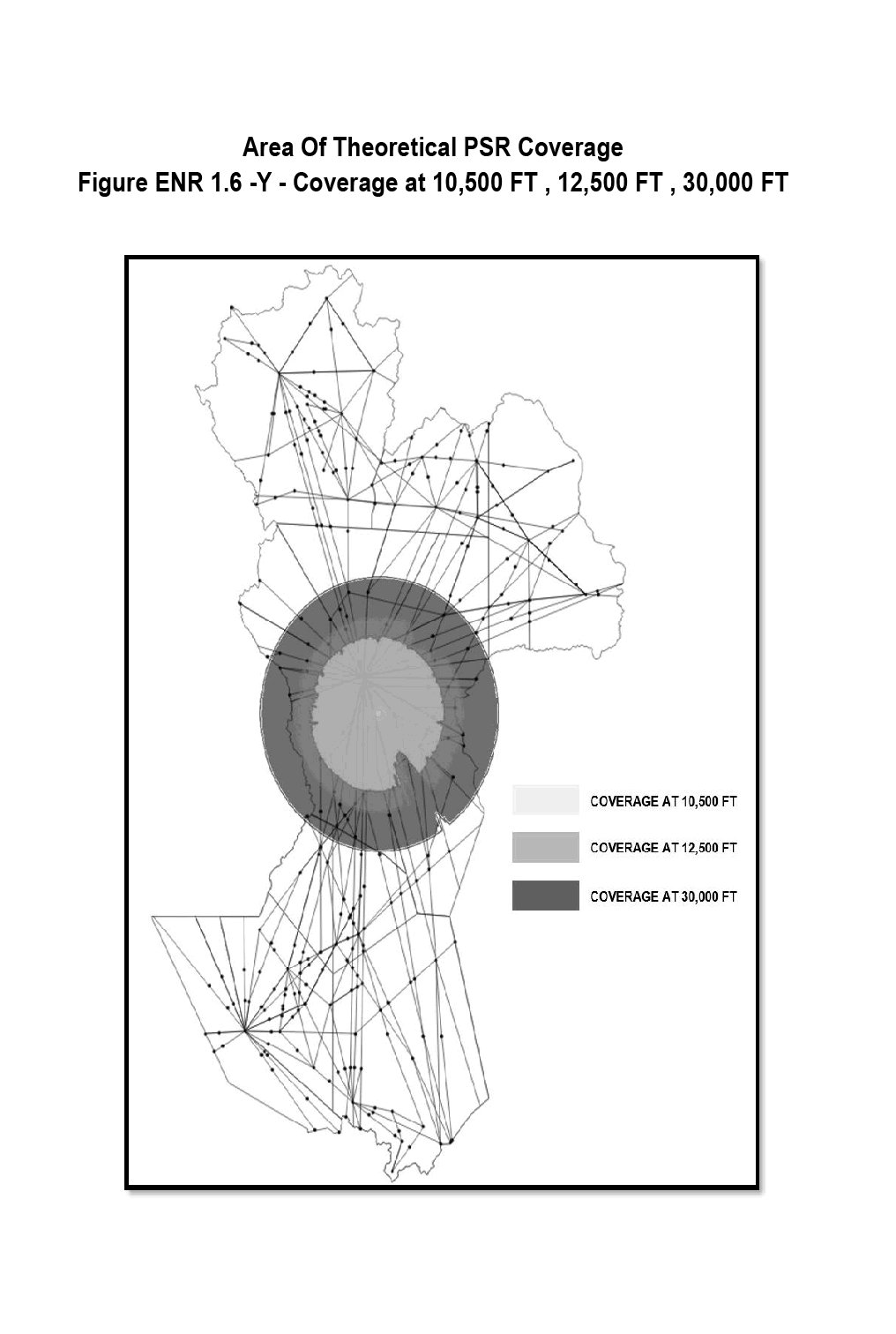
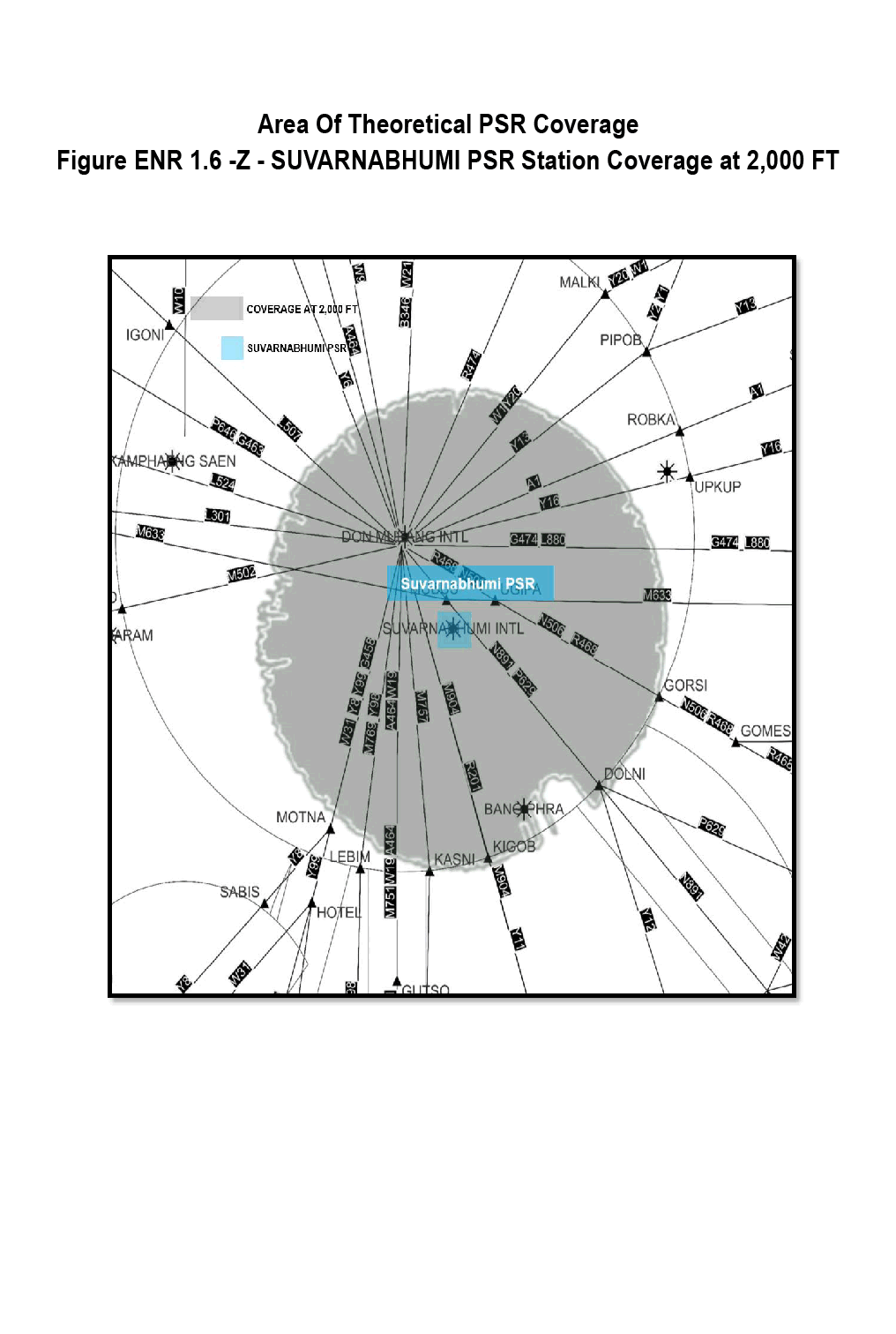
2. PRIMARY SURVEILLANCE RADAR
2.1 Area of Radar Coverage
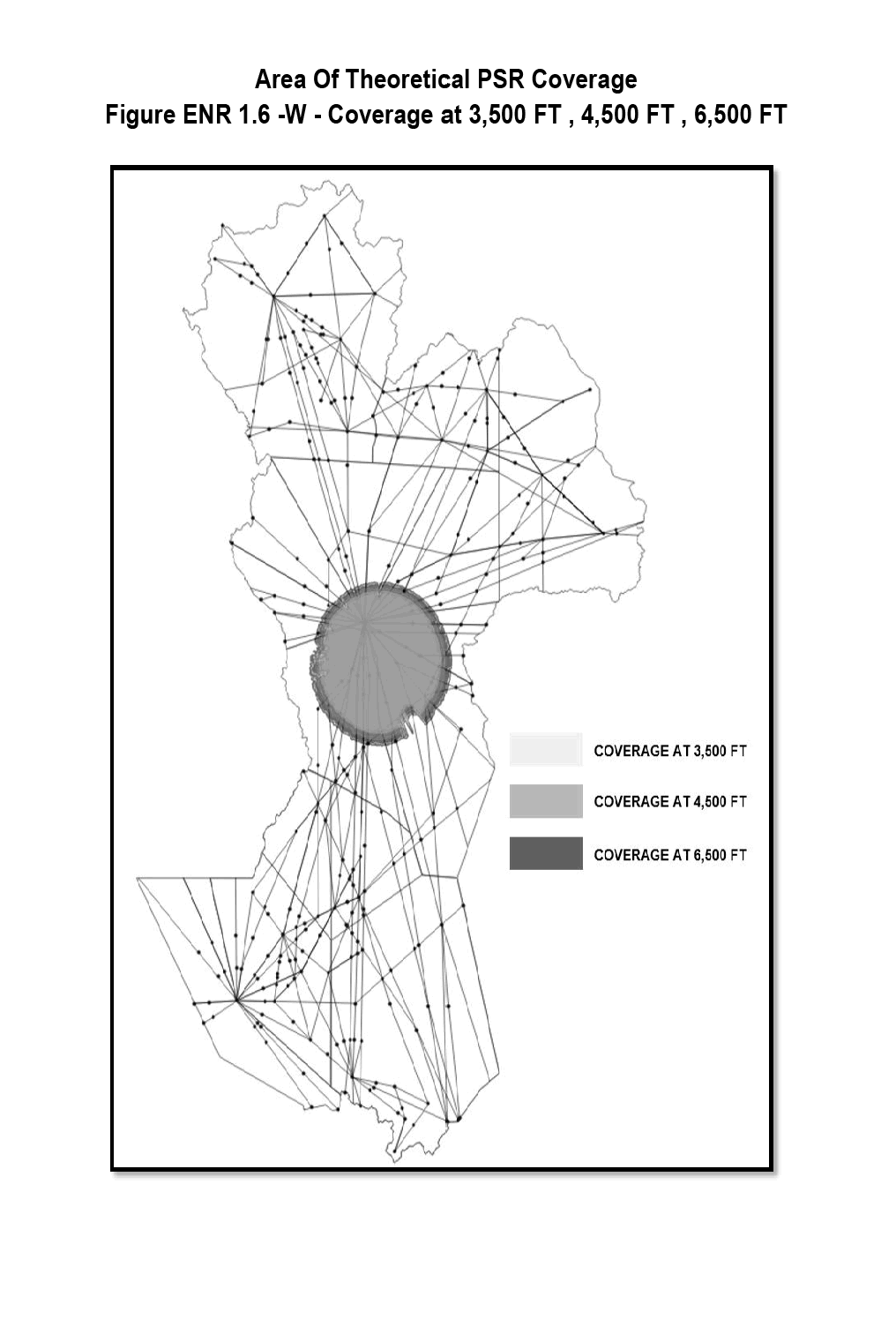
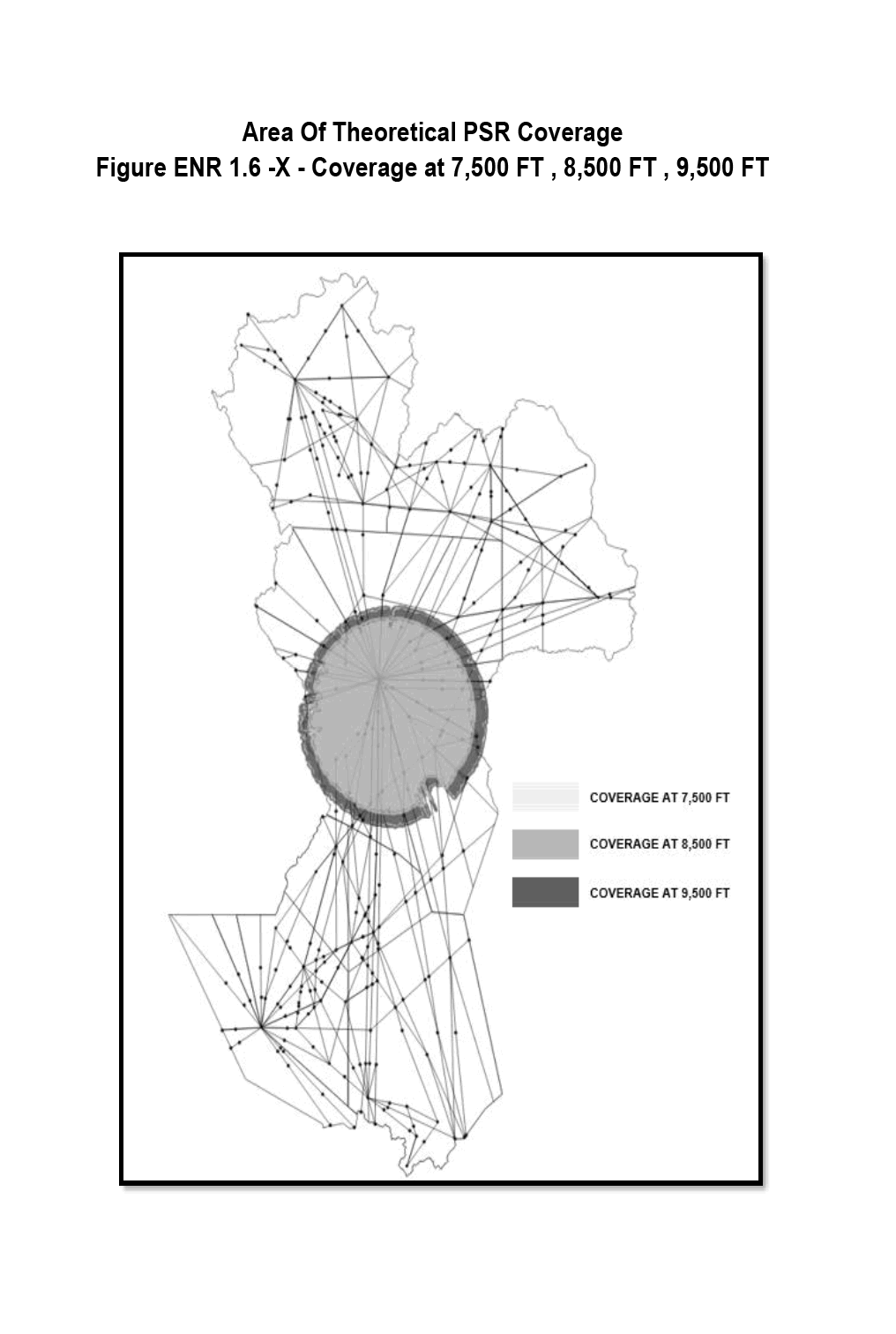
| Primary Surveillance Radar Station | Latitude | Longitude | Range |
|---|---|---|---|
| Suvarnabhumi International Airport | 134122.63N | 1004613.05E | 40 NM |
3. SECONDARY SURVEILLANCE RADAR
3.1 Area of Radar Coverage
|
Secondary Surveillance Radar Stations |
Latitude |
Longitude |
Range |
|---|---|---|---|
|
Don Mueang International Airport |
135532.82N |
1003620.14E |
256 NM |
| Suvarnabhumi International Airport | 134149.90N | 1004615.44E | 256 NM |
|
Chiang Mai International Airport | 184534.76N | 0985801.44E | 256 NM |
|
Mae Fah Luang-Chiang Rai International Airport | 195734.62N |
0995257.56E | 256 NM |
|
Chumphon Airport | 104304.39N |
0992156.76E | 256 NM |
|
Phitsanulok Airport |
164559.34N |
1001642.26E | 256 NM |
|
Roi Et Airport |
160639.74N |
1034639.87E | 256 NM |
|
Surat Thani Airport |
090800.77N |
0990843.50E |
256 NM |
|
Ubon Ratchathani Airport |
151441.65N |
1045204.87E |
256 NM |
|
Udon Thani Airport |
172315.59N |
1024611.72E |
256 NM |
|
Hat Yai International Airport |
065608.15N |
1002300.20E |
256 NM |
|
Bang Duk Hill, Phuket |
080801.67N |
0981946.52E |
256 NM |
3.2 Emergency Procedures
3.3 Radio Communication Failure Procedures
3.4 Unlawful Interference
Note: The absence of a reply from the pilot will be taken by ATC as an indication that the use of mode A/3 code 7500 is not due to an inadvertent false code selection.
3.5 Operating Procedures
3.6 Code Assignment Method
| Flight Status | SSR codes |
|---|---|
| International flight | 0700-0777, 6100-6177 |
| Domestic flight | 1260-1277, 3301-3377, 4200-4277, 4400-4477, 4500-4577, 7200-7277 |
4. AUTOMATIC DEPENDENT SURVEILLANCE-BROADCAST ADS-B
4.1 Area of ADS-B Coverage
| Automatic Dependent Surveillance Stations | Latitude | Longitude | Range |
|---|---|---|---|
Doi Inthanon Samui Ubon Ratchathani_1 Ubon Ratchathani_2 Phuket Surat Thani Hat Yai | 183524.62N 092931.55N 151446.10N 151441.65N 080801.67N 090800.75N 065611.33N | 0982913.78E 0995916.76E 1045209.02E 1045204.86E 0981946.51E 0990843.52E 1002344.44E | 256 NM 256 NM 256 NM 256 NM 256 NM 256 NM 256 NM |
4.2 Emergency Procedures
4.3 Radio Communication Failure Procedures
4.4 Unlawful Interference
4.5 Operating Procedures
4.6 Flight Planning
4.7 Code Assignment Method
5. OTHER RELEVANT INFORMATION AND PROCEDURES
NIL